Essays & ideas
What comedy is for, what it can get away with, and what it costs the people who make it.
Comedy is usually discussed as entertainment, something you either laughed at or didn't. But jokes are also arguments, and alternative comedy especially has a habit of asking questions about itself. Who is the joke on? Does it matter if the comedian means it? Can a silence be funny? Can a machine write a punchline? Why do so many people who make others laugh struggle themselves?
These essays take those questions seriously, drawing on the comedians who have explored them on stage and the philosophers, psychologists and critics who have studied humour for centuries. Start with our most-read piece, the ethics of comedy, or try comedy and mental health. Not sure where your own taste sits? Take the alt comedy archetype quiz.
The big questions
The Ethics of Comedy
Every joke has a target, a room and a reason. A clear-eyed guide to the philosophy, the real controversies and the working tests comedians use to decide whether a joke is worth the cost.
Comedy and Philosophy
Philosophers have distrusted laughter and prescribed it in roughly equal measure. On irony, the absurd, and the comedians whose work is philosophy in everything but name.

Comedy as Art
A banana taped to a wall sold for millions under the title Comedian. Meanwhile comedians were making hour-long works that theatre and art critics reviewed as art. How the border dissolved.
How to Critique Comedy
Explaining a joke is said to kill it. Good criticism does the opposite: it shows you why something is funny, what it is really doing, and whether it earns the laugh.
What Humour Research Knows
Philosophers, psychologists, linguists, neuroscientists and theatre historians have all tried to explain the joke. Here is what they've found, who to read, and where the field is going.

How to Research Comedy
Writing a dissertation on stand-up, building a humour-detection model, or digging into a forgotten 1980s club scene? Here is where the sources, colleagues and data actually are.
Comedy and the mind
Comedy and Mental Health
The idea that great comedians are secretly miserable is centuries old and mostly unexamined. Here is what researchers have actually measured, what comedians have said in their own words, and what the job itself does to people.
Mental Health Comedy: A Practical Guide
Jokes about depression, anxiety and breakdowns can reduce stigma or reinforce it. A working guide for comedians, writers, bookers and audiences, plus the real organisations behind the cause.
Learning Through Comedy
A funny teacher is not automatically a good one. But decades of studies show that the right kind of joke, in the right place, helps people pay attention and remember. Here is what works.
Comedy and society
Comedy and Activism: Real Cases
Jokes rarely pass laws. Comedians sometimes do. A field guide to the campaigns, benefits and stunts where comedy stopped commenting on the world and tried to fix part of it.
Does Comedy Change Minds?
Comedians love to claim they move the culture. Researchers have spent twenty years testing that claim. The answer is yes, sometimes, slowly, and rarely in the way the comedian intended.
Social Commentary in Comedy
A sermon with punchlines is not satire. Here is how the best comedians turn an opinion about the world into something an audience laughs at first and thinks about later.
The Politics of Anti-Humor
Anti-comedy looks apolitical: long pauses, bad jokes on purpose, cable-access weirdness. But by breaking the contract between comedian and crowd, it says a lot about media, power and who gets to be in on the joke.
Cultural Comedy Differences
Slapstick crosses every border. Puns rarely survive customs. A practical guide to how humor changes from culture to culture, with real examples from Tokyo to Montreal.
Comedy and the Environment
The climate crisis is not funny. The way we talk about it, sell it and fail to act on it often is. A guide to the sketches, films and satire that get it right.
Comedy and Inclusivity
The history of comedy is partly a history of who was allowed on the bill. How the line-ups widened, what actually changed it, and what promoters can do in their own rooms.
Accessibility in Comedy
Comedy has a stairs problem, a captions problem and a booking problem. Here are the disabled comedians who have changed the conversation, and the practical fixes any venue or promoter can make.
Family Comedy That Isn't Bland
Clean comedy has a reputation for being safe and dull. The best of it is neither. A guide to stand-up, TV and films the whole family can watch, many of them made by alt comedians.
Styles and forms
Absurdist and Surreal Comedy
Talking objects, sketches that never end and characters who accept the impossible without blinking. A guide to the comedy of nonsense, and why it's harder to write than it looks.
Dark Comedy Explained
Gallows jokes, black farce and stand-up about the worst day of your life. A guide to the comedy that goes where other comedy won't, and how the best of it gets away with it.
Experimental Comedy
Some comedians perfect the joke. Others take it apart to see what else it can do. From Andy Kaufman to Richard Gadd, the experiments that changed what comedy is.
Anti-Comedy: The Definitive Guide
A lounge comic who hates you, a moth at the podiatrist, a man reading The Great Gatsby aloud until the audience leaves. Anti-comedy turns the failure of a joke into the joke.
Technology and the future
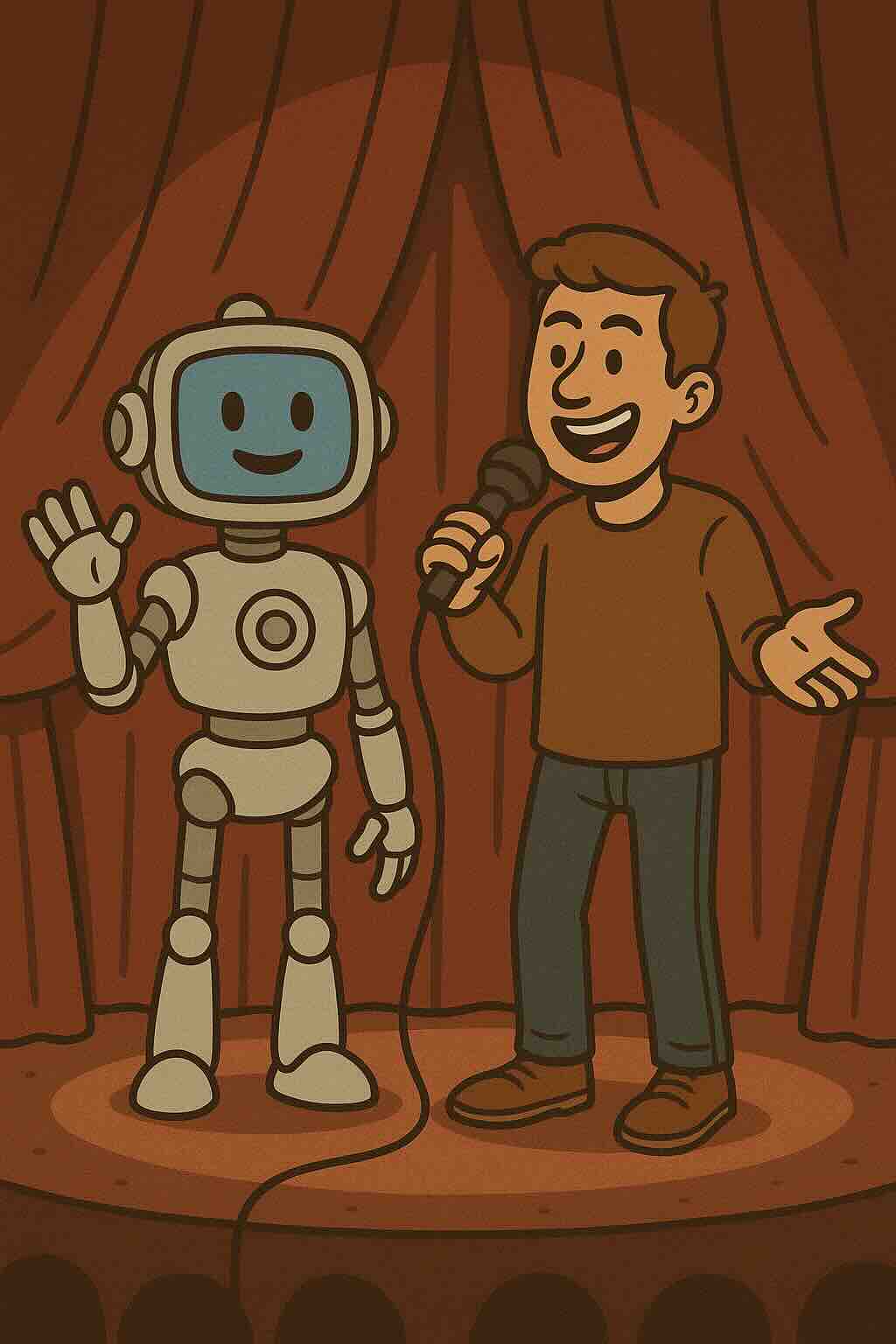
AI and Comedy: Can Machines Be Funny?
From 1990s pun generators to an AI Seinfeld banned from Twitch and a fake George Carlin special, here is what actually happened when comedy met artificial intelligence, and why the writers' guild fought so hard over it.
How Technology Changed Comedy
Comedy is the most portable art form there is, which is why each new gadget has reshaped it. A history of the records, broadcasts, tapes, downloads and feeds that decided what funny sounded like.
How Comedians Satirise Technology
The best jokes about technology are never really about the gadget. They are about what the gadget does to us. A guide to the comedians, sitcoms and specials that got it right.
Comedy on YouTube, TikTok and Beyond
Six-second loops, vertical crowd work and subway hot takes. How platforms shaped the comedy made for them, what clip culture costs comedians, and where the next wave is coming from.
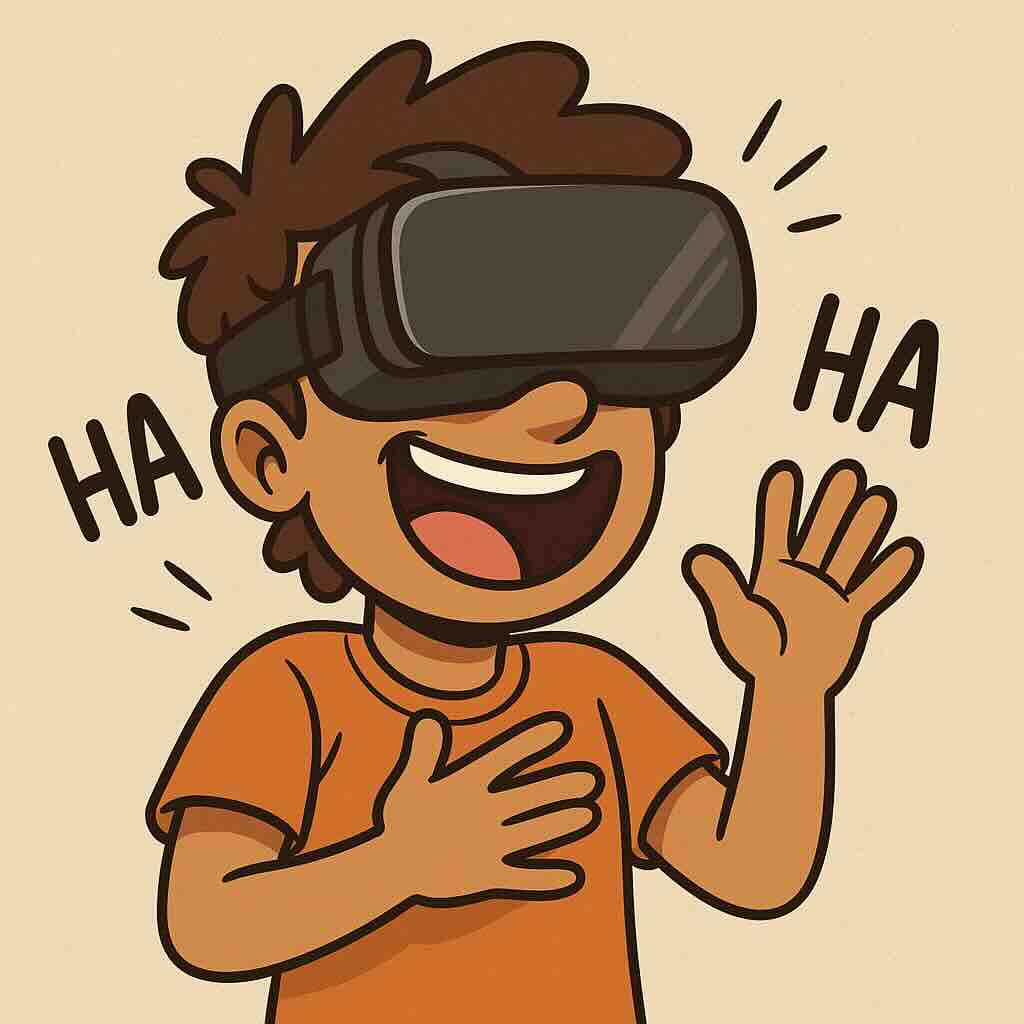
Comedy in Gaming and VR
A horrible goose, a narrator who hates your choices and a museum of human jobs run by robots. The games, VR experiments and live streams where comedy became something you do, not something you watch.

Comedy Trends 2026
No blockchain ticketing, no VR clubs. These are the verified changes in how comedy is made, released and paid for in 2026, with the specials, shows and events that prove them.
2025 Comedy Trends, Revisited
A year when late night wobbled, specials went free and comedians argued about Saudi money. We look back at what really shaped comedy in 2025, and check how each trend played out.
Quiz: Your Alt-Comedy Archetype
Nine questions about what makes you laugh, and what you would do with a microphone. Find your comedic type, then meet the real comedians who share it.
Everything in Essays & Ideas
- The Ethics of ComedyEvery joke has a target, a room and a reason. A clear-eyed guide to the philosophy, the real controversies and the working tests comedians use to decide whether a joke is worth the cost.
- Comedy and Mental HealthThe idea that great comedians are secretly miserable is centuries old and mostly unexamined. Here is what researchers have actually measured, what comedians have said in their own words, and what the job itself does to people.
- Comedy and the EnvironmentThe climate crisis is not funny. The way we talk about it, sell it and fail to act on it often is. A guide to the sketches, films and satire that get it right.
- Comedy and Activism: Real CasesJokes rarely pass laws. Comedians sometimes do. A field guide to the campaigns, benefits and stunts where comedy stopped commenting on the world and tried to fix part of it.
- What Humour Research KnowsPhilosophers, psychologists, linguists, neuroscientists and theatre historians have all tried to explain the joke. Here is what they've found, who to read, and where the field is going.
- Does Comedy Change Minds?Comedians love to claim they move the culture. Researchers have spent twenty years testing that claim. The answer is yes, sometimes, slowly, and rarely in the way the comedian intended.
- 2025 Comedy Trends, RevisitedA year when late night wobbled, specials went free and comedians argued about Saudi money. We look back at what really shaped comedy in 2025, and check how each trend played out.
- Comedy Trends 2026No blockchain ticketing, no VR clubs. These are the verified changes in how comedy is made, released and paid for in 2026, with the specials, shows and events that prove them.
- AI and Comedy: Can Machines Be Funny?From 1990s pun generators to an AI Seinfeld banned from Twitch and a fake George Carlin special, here is what actually happened when comedy met artificial intelligence, and why the writers' guild fought so hard over it.
- Comedy on YouTube, TikTok and BeyondSix-second loops, vertical crowd work and subway hot takes. How platforms shaped the comedy made for them, what clip culture costs comedians, and where the next wave is coming from.
- Absurdist and Surreal ComedyTalking objects, sketches that never end and characters who accept the impossible without blinking. A guide to the comedy of nonsense, and why it's harder to write than it looks.
- Accessibility in ComedyComedy has a stairs problem, a captions problem and a booking problem. Here are the disabled comedians who have changed the conversation, and the practical fixes any venue or promoter can make.
- Comedy and InclusivityThe history of comedy is partly a history of who was allowed on the bill. How the line-ups widened, what actually changed it, and what promoters can do in their own rooms.
- Comedy and PhilosophyPhilosophers have distrusted laughter and prescribed it in roughly equal measure. On irony, the absurd, and the comedians whose work is philosophy in everything but name.
- Comedy as ArtA banana taped to a wall sold for millions under the title Comedian. Meanwhile comedians were making hour-long works that theatre and art critics reviewed as art. How the border dissolved.
- Comedy in Gaming and VRA horrible goose, a narrator who hates your choices and a museum of human jobs run by robots. The games, VR experiments and live streams where comedy became something you do, not something you watch.
- Dark Comedy ExplainedGallows jokes, black farce and stand-up about the worst day of your life. A guide to the comedy that goes where other comedy won't, and how the best of it gets away with it.
- Experimental ComedySome comedians perfect the joke. Others take it apart to see what else it can do. From Andy Kaufman to Richard Gadd, the experiments that changed what comedy is.
- Family Comedy That Isn't BlandClean comedy has a reputation for being safe and dull. The best of it is neither. A guide to stand-up, TV and films the whole family can watch, many of them made by alt comedians.
- How Comedians Satirise TechnologyThe best jokes about technology are never really about the gadget. They are about what the gadget does to us. A guide to the comedians, sitcoms and specials that got it right.
- How Technology Changed ComedyComedy is the most portable art form there is, which is why each new gadget has reshaped it. A history of the records, broadcasts, tapes, downloads and feeds that decided what funny sounded like.
- How to Critique ComedyExplaining a joke is said to kill it. Good criticism does the opposite: it shows you why something is funny, what it is really doing, and whether it earns the laugh.
- How to Research ComedyWriting a dissertation on stand-up, building a humour-detection model, or digging into a forgotten 1980s club scene? Here is where the sources, colleagues and data actually are.
- Learning Through ComedyA funny teacher is not automatically a good one. But decades of studies show that the right kind of joke, in the right place, helps people pay attention and remember. Here is what works.
- Mental Health Comedy: A Practical GuideJokes about depression, anxiety and breakdowns can reduce stigma or reinforce it. A working guide for comedians, writers, bookers and audiences, plus the real organisations behind the cause.
- Quiz: Your Alt-Comedy ArchetypeNine questions about what makes you laugh, and what you would do with a microphone. Find your comedic type, then meet the real comedians who share it.
- Social Commentary in ComedyA sermon with punchlines is not satire. Here is how the best comedians turn an opinion about the world into something an audience laughs at first and thinks about later.
- The Politics of Anti-HumorAnti-comedy looks apolitical: long pauses, bad jokes on purpose, cable-access weirdness. But by breaking the contract between comedian and crowd, it says a lot about media, power and who gets to be in on the joke.